Why Your Seamless Leggings Feel Perfect in the Store and Pill Within Weeks
Quick Answer: Seamless activewear’s knit construction — a single continuous piece of fabric knitted directly into shape rather than cut and sewn from flat panels — creates a smooth, flawless first impression, but that same knitting process often uses finer, more tightly looped yarns that are more prone to surface friction pilling than traditional cut-and-sew fabric, especially without deliberate wash care.
The pilling isn’t a sign of a defective pair — it’s a predictable tradeoff of the fabric technology that most care labels don’t explain clearly.
Why Seamless Knitting Uses More Pill-Prone Yarn
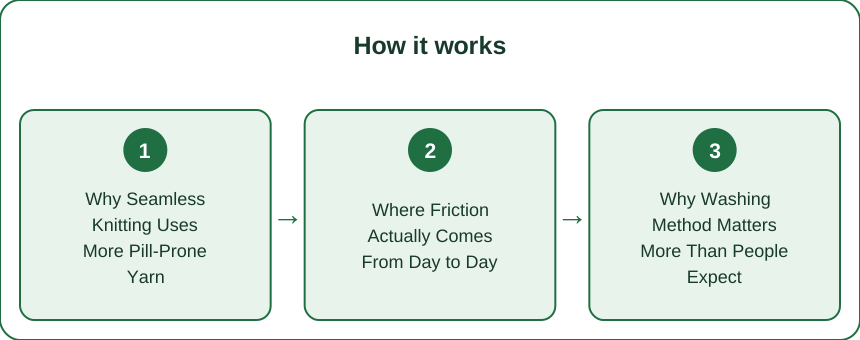
Seamless garments are produced on specialized circular knitting machines that require finer, more flexible yarns to create the three-dimensional shaped knit without seams — these finer yarns, while excellent for the smooth, second-skin feel seamless is known for, generally have shorter fiber lengths at the surface than the yarns used in traditional cut-and-sew leggings, and shorter surface fibers are exactly what pill (tangle into small balls) more readily under friction.
Where Friction Actually Comes From Day to Day
Pilling isn’t caused primarily by wearing the leggings — it’s caused by friction against other surfaces: gym equipment, car seats, being tossed in a laundry bag with rougher fabrics, or even friction between the inner thighs during repeated movement. Identifying which specific friction sources are most present in your routine (a rougher gym bench, frequent car seat contact) can help target where pilling shows up first.
Why Washing Method Matters More Than People Expect
Machine washing seamless activewear with rougher fabrics (towels, denim, zippered items) in the same load dramatically accelerates pilling compared to washing with similar delicate synthetics, or better yet, in a mesh laundry bag that limits direct fabric-on-fabric friction during the wash cycle itself — a stage where a lot of pilling actually happens, not just during wear.

Turning Leggings Inside Out Before Washing
Washing seamless leggings inside out exposes the less-visible inner surface to the washing machine’s agitation instead of the outer surface, meaning any pilling that does occur is less visually obvious on the side that shows. This is a small habit change with a noticeable practical payoff for how the leggings look after repeated washes.
Why Heat Is a Bigger Pilling Culprit Than People Realize
High heat from machine drying weakens and roughens synthetic fibers, making them more prone to breaking and pilling on subsequent wears and washes — air drying or a low-heat, short dryer cycle preserves fiber integrity substantially better over the garment’s lifespan than routine high-heat drying, even though it’s less convenient.
Myth vs Fact: Pilling Means the Leggings Were Cheaply Made
Myth. Pilling occurs across a wide range of price points, including premium activewear brands, because it’s tied to the yarn structure inherent to seamless knitting technology, not necessarily to overall garment quality or cost. Fact: care habits (wash method, heat exposure, friction sources) have a measurably larger effect on how quickly a given pair pills than price point alone, which is why two people with the same leggings can have very different pilling experiences.
FAQ: Seamless Legging Pilling Questions, Answered
Can pilling be removed once it’s already there?
Yes — a fabric shaver or pilling comb can remove existing pills, though this doesn’t prevent new ones from forming without also changing the underlying care habits.
Does pilling mean the leggings are less durable or about to fall apart?
Not necessarily — pilling is primarily a cosmetic surface issue and doesn’t always indicate the garment’s structural integrity or compression is compromised, though heavy pilling over time can accompany some fabric thinning.
Are certain seamless leggings brands genuinely more pill-resistant than others?
Yes, fiber blend and knitting density vary by brand and specific product line, so some seamless items do resist pilling meaningfully better than others even accounting for identical care habits.
TL;DR:
- Seamless knitting uses finer yarns for a smooth fit, which are more prone to friction pilling than cut-and-sew fabric
- Most pilling comes from friction against other surfaces and other fabrics, not from wearing alone
- Washing inside out, in a mesh bag, separate from rougher fabrics, meaningfully slows pilling
- High heat drying weakens fibers and accelerates pilling — air drying or low heat preserves the fabric longer
Pilling on seamless leggings is a predictable tradeoff of the fabric technology, not a sign of a bad pair — and a few care changes go a long way toward slowing it down.
See It in Motion
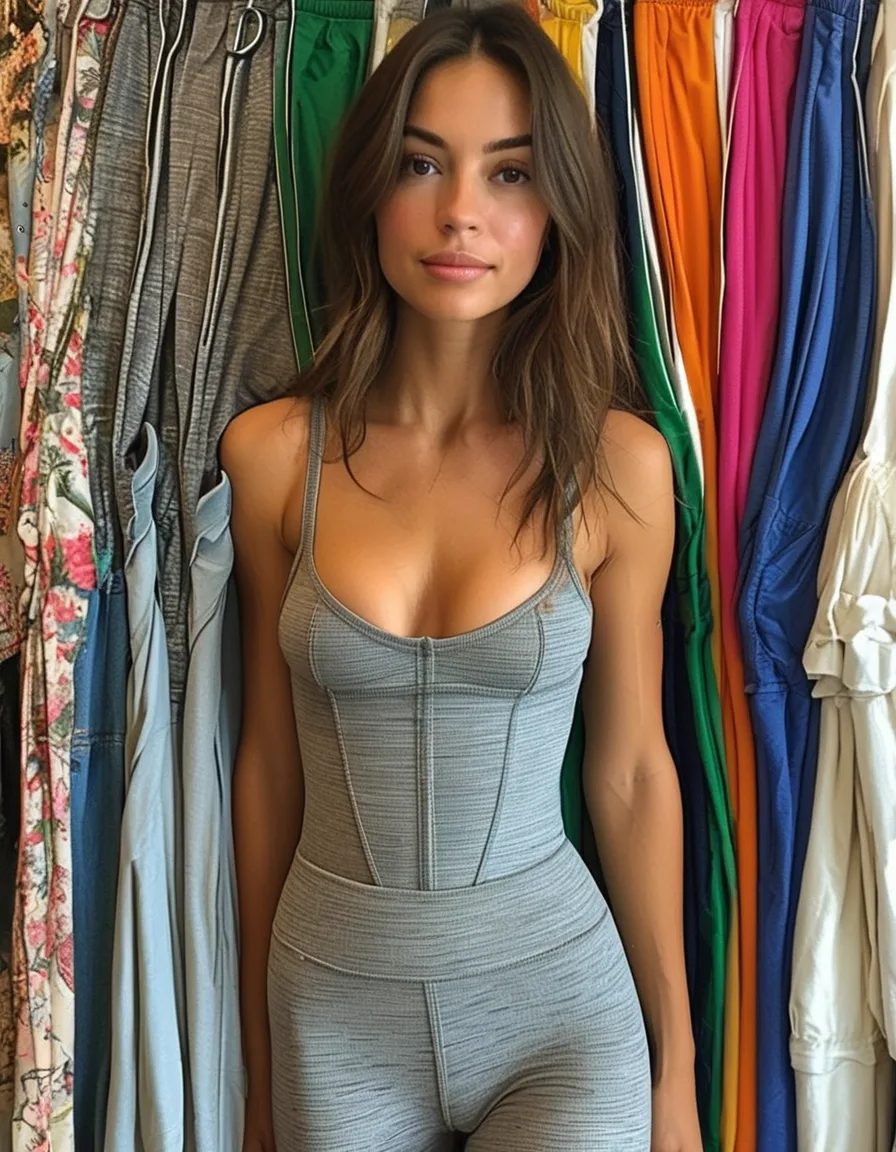
Seen here: High Waist Yoga Leggings with Side Pockets — shop it on bubblelime.com
Keep Reading
This article is for general informational and styling purposes only. Fit, sizing, and product availability may vary.