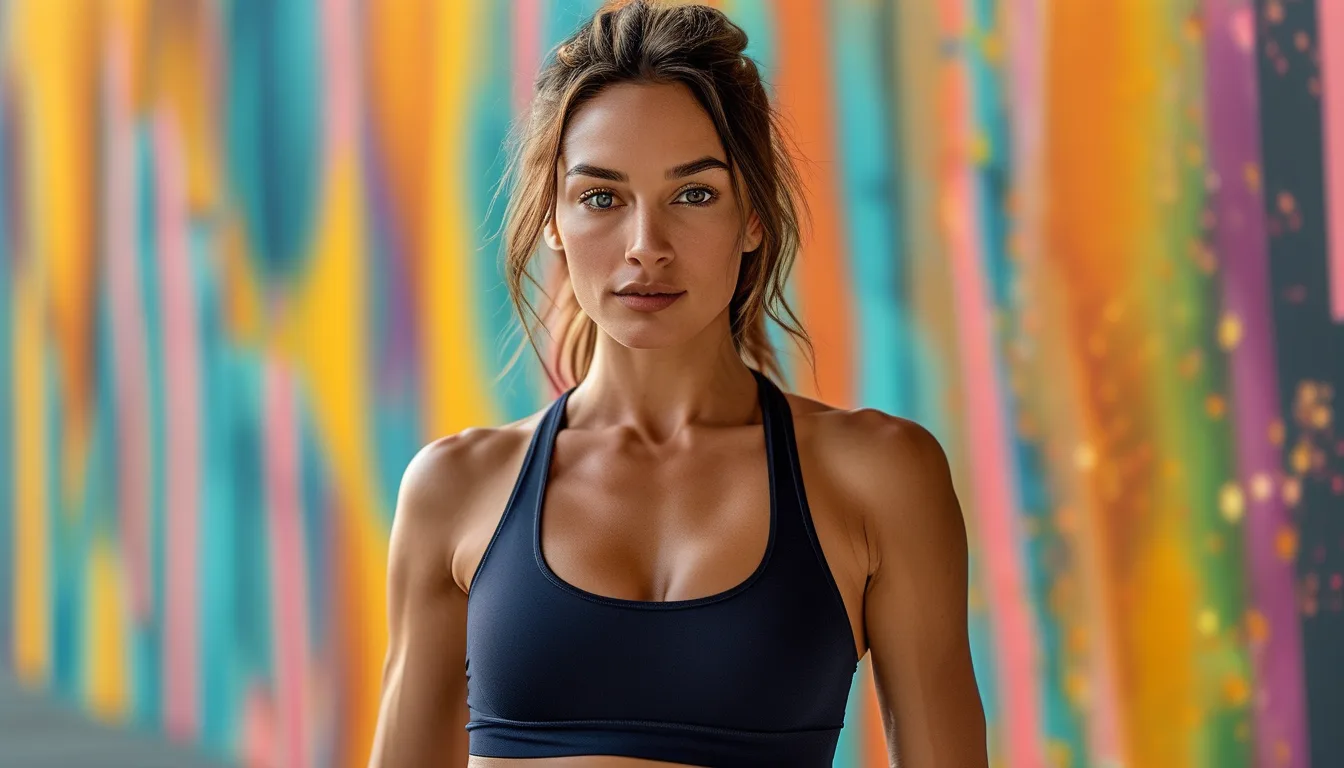
The Seamless Activewear Tradeoff That Explains Why It Fits Some Bodies Better Than Others
Seamless activewear gets marketed as universally flattering because there’s no seam to dig in anywhere, but the knitting technique that removes seams also creates a single uniform stretch pattern across the whole garment — and that uniform stretch doesn’t fit every body shape equally well.
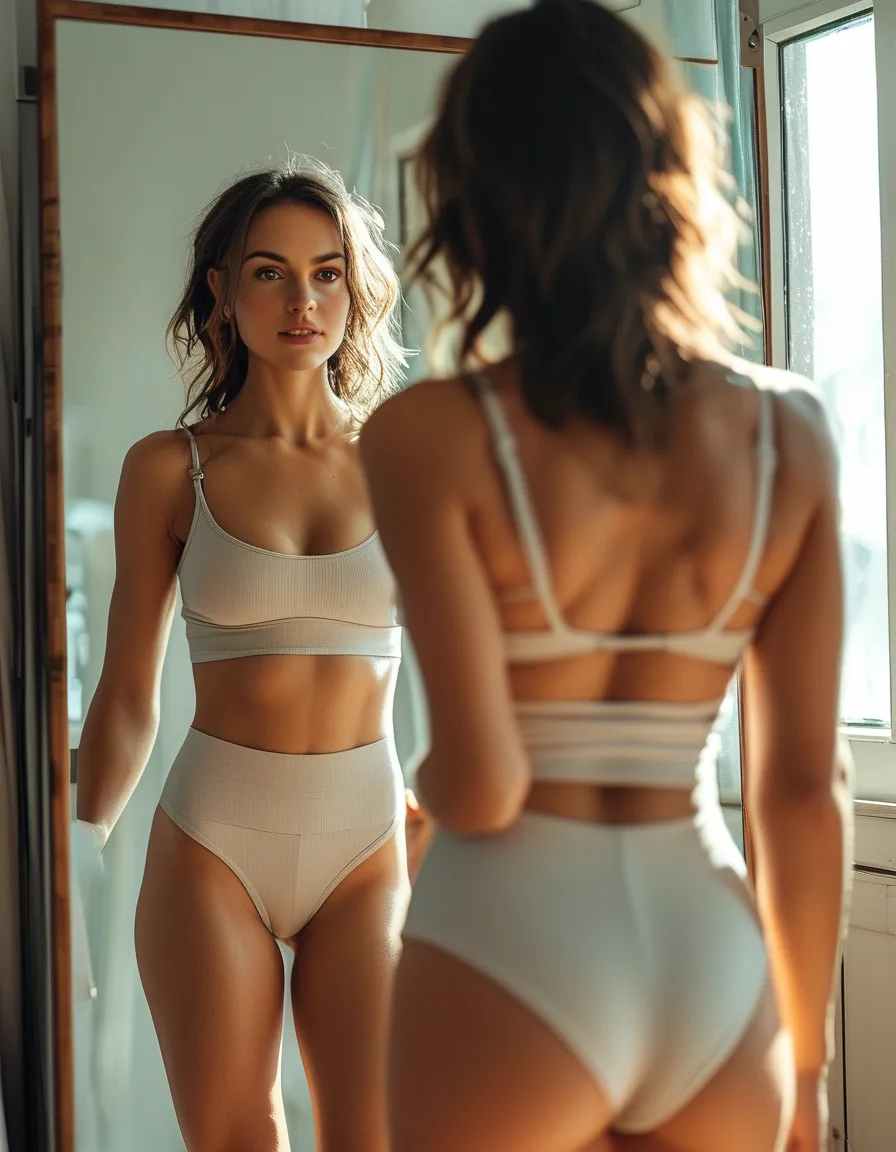
Why Seamless Fabric’s Stretch Pattern Favors Certain Body Shapes Over Others
The construction tradeoff: the seamless-is-knit-as-one-continuous-tube (the entire garment produced in a single knitting pass rather than cut-and-sewn panels — the one-piece-knit-construction), the the-stretch-percentage-is-uniform-throughout (the fabric stretching by the same amount everywhere since there are no separate panels to vary tension — the uniform-stretch-everywhere), the the-cut-and-sewn-pieces-can-vary-stretch-by-panel (the seamed alternative allowing different stretch or fabric in different body zones deliberately — the seamed-allows-zone-variation), and the reframe (seamless removing seam irritation at the cost of removing the ability to vary stretch by body zone — a real tradeoff, not a pure upgrade).

The Specific Fit Issue That Shows Up on Curvier Frames
What actually happens: the uniform-stretch-under-fits-larger-curves-and-over-fits-flatter-areas (the same stretch percentage being too tight across fuller hips or thighs while gaping slightly at flatter areas — the under-fit-over-fit-mismatch), the the-waistband-specifically-often-digs-in-on-curvier-frames (the waistband being the single most common complaint point since it can’t vary tension the way a seamed waistband panel could — the waistband-dig-in-complaint), the the-brands-marketed-as-one-size-fits-most-rely-on-this-same-uniform-stretch (the sizing claims assuming the uniform stretch works evenly across body types, which the construction itself contradicts — the false-one-size-assumption), and the frame (the same uniform stretch that removes seam irritation creating a specific and predictable under-fit at the waistband and fuller areas on curvier frames).
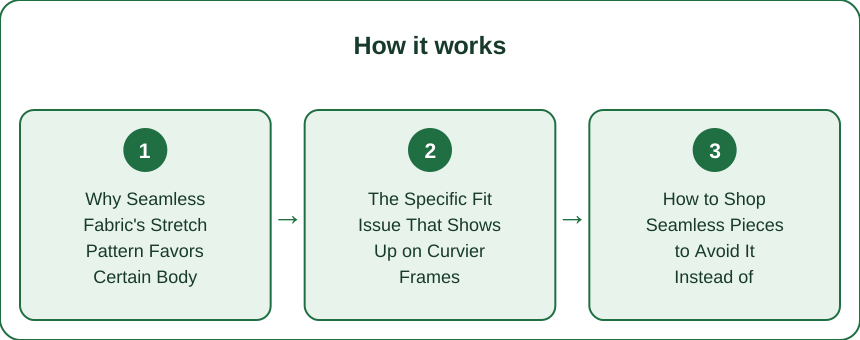
How to Shop Seamless Pieces to Avoid It Instead of Assuming the Size Is Wrong
The practical approach: the check-if-the-brand-offers-a-curve-specific-seamless-line (the some seamless brands specifically re-engineering stretch distribution for curvier body types rather than using one uniform pattern — the curve-specific-line-check), the the-size-up-specifically-for-waistband-comfort-not-overall-fit (the choosing a size based on the tightest point rather than the average fit if between sizes — the size-for-tightest-point), the the-try-a-hybrid-seamed-waistband-seamless-leg-style (the some pieces combining a seamed, adjustable waistband with a seamless leg for the best of both — the hybrid-construction-option), and the frame (checking for curve-specific seamless lines, sizing for the tightest point rather than the average, and considering hybrid waistband styles — three concrete ways around a construction limitation rather than assuming your body is the problem).
Seamless activewear is knit as one continuous piece with a single uniform stretch percentage throughout, which removes seam irritation but also removes the ability to vary stretch by body zone the way cut-and-sewn seamed pieces can. That uniform stretch tends to under-fit fuller hips, thighs and the waistband specifically on curvier frames while slightly over-fitting flatter areas, which is why waistband digging-in is the most common seamless complaint, and it directly contradicts one-size-fits-most marketing built on that same uniform stretch. Shop around it by checking whether a brand offers a curve-specific seamless line with re-engineered stretch distribution, sizing up based on the tightest point rather than the overall average fit, and considering hybrid styles that pair a seamed, adjustable waistband with a seamless leg.
Keep Reading
This article is for general informational and styling purposes only. Fit, sizing, and product availability may vary.